
S. Hall
|
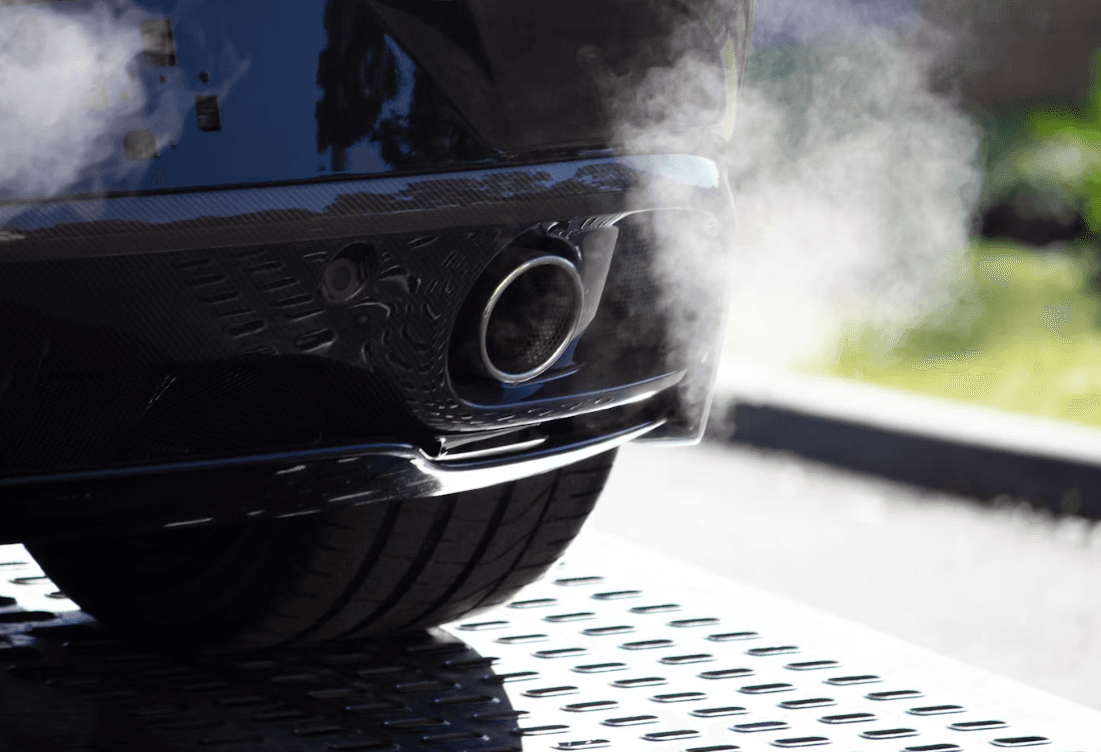
Modern diesel exhaust systems play an important role in keeping buses and commercial vehicles operating efficiently and reliably.
Over time, however, soot, carbon and other contaminants can accumulate within exhaust components. When these deposits become excessive, they can restrict performance, trigger warning lights and potentially contribute to costly vehicle downtime.
For fleet operators, recognising the early signs of an exhaust problem can help prevent a relatively manageable issue from becoming a much larger repair.
Why Do Diesel Exhaust Systems Become Blocked?
Diesel engines naturally produce soot and other combustion by-products.
Modern exhaust systems are designed to manage these emissions, but operating conditions can influence how quickly deposits accumulate.
Vehicles that regularly operate at lower speeds, spend significant periods idling or repeatedly complete shorter journeys may experience different exhaust conditions from vehicles travelling consistently at higher speeds and temperatures.
This is particularly relevant for buses and other commercial vehicles operating in busy urban environments.
As deposits build up, exhaust flow can become restricted and components may no longer operate as effectively as intended.
1. Loss of Engine Performance
A noticeable reduction in vehicle performance can be one indication of an exhaust-related problem.
Drivers may notice slower acceleration, reduced power under load or an engine that simply feels less responsive than normal.
Restricted exhaust flow can affect how efficiently the engine operates, although loss of power can have many possible causes.
Professional diagnostics are therefore important before assuming the exhaust system is responsible.
2. Exhaust or Engine Warning Lights
Modern commercial vehicles continuously monitor numerous engine and emissions systems.
If the vehicle detects a problem, an engine management or exhaust-related warning may appear on the dashboard.
The warning itself doesn’t necessarily identify exactly what has failed.
Diagnostic equipment can retrieve fault information and allow technicians to investigate the system properly rather than simply clearing the warning and waiting for it to return.
For fleet operators, recurring warning lights should always be investigated.
3. Increased Fuel Consumption
An unexplained increase in fuel consumption can sometimes accompany exhaust or engine performance problems.
If a vehicle is working harder than normal to achieve the same level of performance, its fuel usage may increase.
Fleet operators are often particularly well placed to spot these changes because fuel consumption can be monitored across individual vehicles over extended periods.
A sudden or sustained change from the normal pattern can provide an early indication that further investigation is worthwhile.
4. Reduced Power or Limp Mode
Some vehicle management systems can reduce available engine performance when a significant fault is detected.
Drivers may experience dramatically reduced power or find that the vehicle enters a restricted operating mode.
This is designed to protect the vehicle from further problems, but for a commercial fleet it can immediately affect operations.
Rather than repeatedly clearing faults or attempting temporary solutions, identifying the underlying cause is essential.
Why Professional Exhaust Cleaning Can Help
Not every contaminated exhaust component automatically needs replacing.
Depending on its condition, specialist cleaning can remove accumulated soot, carbon and other deposits and help restore the component's performance.
This can provide fleet operators with an alternative to unnecessary component replacement where the existing part remains suitable for refurbishment.
SL Diesel provides exhaust cleaning and refurbishment for commercial diesel applications, helping operators restore contaminated components and return vehicles to dependable service.
Cleaning Versus Replacing Exhaust Components
Whether an exhaust component should be cleaned, refurbished or replaced depends on its condition.
A component affected primarily by contamination may be suitable for professional cleaning. A physically damaged or failed component may require repair or replacement instead.
This distinction matters because replacing parts without first understanding the cause of the problem can lead to unnecessary expense.
Proper inspection and diagnostics allow technicians to determine whether contamination is responsible or whether another engine or exhaust fault needs attention.
Preventing Future Exhaust Problems
There is no single maintenance routine suitable for every commercial vehicle.
Vehicle type, mileage, routes, operating temperatures and daily workload can all influence exhaust system condition.
However, fleet operators can reduce the likelihood of unexpected problems by responding quickly to warning lights, monitoring vehicle performance and investigating unusual changes in fuel consumption or exhaust behaviour.
Regular maintenance also provides an opportunity to identify developing issues before they cause an operational failure.
Drivers should be encouraged to report changes as soon as they notice them rather than waiting until the vehicle becomes difficult to operate.
Why Bus and Fleet Operations Can Be Particularly Demanding
Commercial vehicles rarely experience easy working lives.
Buses may spend long periods operating in congested environments with frequent stops, periods of idling and constantly changing engine loads.
Fleet vehicles can also accumulate substantial mileage while operating for long periods each day.
These conditions make preventative maintenance particularly important.
A problem affecting one vehicle can quickly create additional pressure elsewhere in a fleet, especially when another vehicle has to be reassigned to cover its workload.
Keeping exhaust and engine systems operating correctly therefore contributes to more than vehicle performance — it supports the reliability of the wider fleet.
Don't Ignore the Cause of Excessive Contamination
Cleaning an exhaust component can address contamination, but it is also important to consider why the contamination occurred.
In some cases, excessive build-up may be associated with another engine or operating issue.
If the underlying cause isn't identified, a professionally cleaned component could eventually become contaminated again.
Combining exhaust inspection with diesel engine diagnostics can help establish whether another fault is contributing to the problem.
This allows the vehicle to be treated as a complete system rather than focusing only on the affected component.
Diesel Exhaust Cleaning and Refurbishment in Surrey
SL Diesel Engines Ltd provides specialist diesel engineering services for bus and fleet operators from our workshop in Epsom, Surrey.
Alongside exhaust cleaning and refurbishment, our services include diesel engine diagnostics, engine repairs, full engine rebuilds, diesel engine parts and cylinder head and block reconditioning.
Our experience with commercial diesel applications allows us to investigate exhaust problems alongside the wider condition and performance of the engine.
If your vehicle is experiencing warning lights, reduced performance or other potential exhaust-related problems, early investigation can help determine the appropriate next step.
Experiencing Diesel Exhaust Problems?
Speak to the SL Diesel team about professional diagnostics, exhaust cleaning and refurbishment for your bus or commercial fleet.
